 TheBodyBlueprint
Long-Term Composition Stability
Scientific context on composition regulation and stability over extended periods from observational research.
Body composition demonstrates both stability and capacity for change over extended time periods. Understanding the mechanisms underlying these dynamics provides context for long-term regulation.
Set Point Theory and Regulation
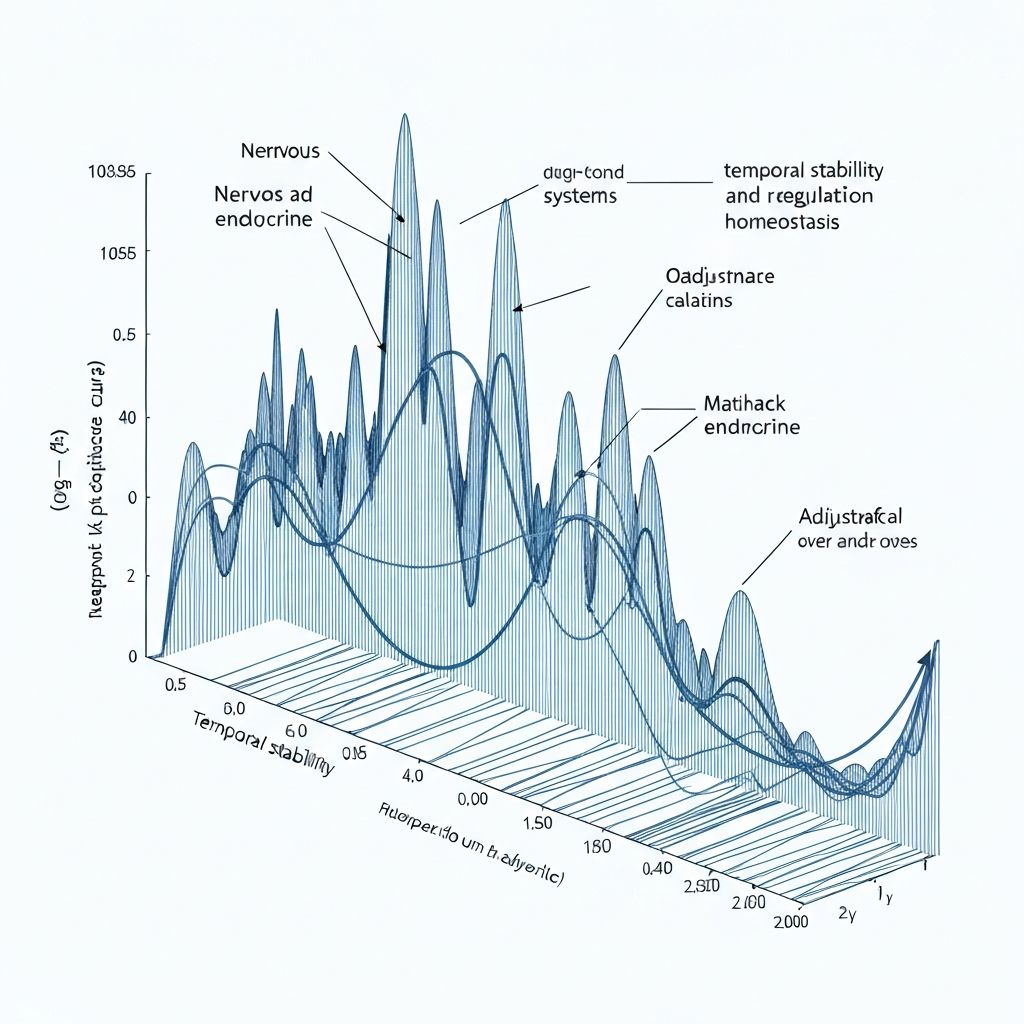
The set point theory proposes that the body regulates composition around a defended level through feedback mechanisms. Multiple regulatory signals (hormonal, neural, metabolic) adjust eating behavior and energy expenditure to maintain a relatively stable composition. This defending of compositional set point means changes typically occur gradually when sustained changes in energy balance are introduced.
Metabolic Adaptation Over Time
Prolonged changes in energy balance result in metabolic adaptations that tend to oppose compositional change. During sustained energy restriction, metabolic rate decreases through reduced physical activity, increased metabolic efficiency, and reduced energy-expensive processes. These adaptations slow the rate of compositional change compared to predictions from simple energy balance calculations.
Tissue Remodeling and Adaptation
Body tissues undergo gradual remodeling in response to sustained changes in metabolic state and environmental demands. Muscle tissue demonstrates plasticity in response to mechanical tension and nutrient availability, with protein synthesis rates adapting to sustained changes. Adipose tissue undergoes changes in cell size and number and shows metabolic adaptation. These adaptations occur over weeks to months as tissues adjust to new environmental conditions.
Weight Cycling and Composition
Repeated cycles of weight loss and regain (cycling) can influence body composition trajectory. Research suggests repeated cycles may be associated with greater ease of regaining lost weight and potential compositional shifts toward greater fat proportion. However, the mechanisms underlying weight cycling effects remain incompletely understood and individual responses vary.
Age-Related Changes
Body composition changes systematically across the lifespan. Youth involves growth and tissue accumulation. Adulthood demonstrates relative stability when energy balance remains consistent. Middle and older age typically involve loss of muscle tissue and increased fat storage, even when energy balance is maintained. These age-related changes reflect both hormonal shifts and changes in physical activity patterns.
Individual Stability Trajectories
Individuals maintain different compositional baselines over years to decades when environmental conditions remain stable. Some individuals naturally maintain stable composition across decades with minimal intervention, while others show compositional drift toward increased adiposity. These differences reflect interactions between genetic predisposition, metabolic characteristics, and lifestyle patterns.
Compositional Plateaus and Barriers
Research demonstrates that bodies naturally encounter resistance to continued compositional change during sustained intervention, particularly in extended compositions that deviate substantially from individual baseline. These plateaus reflect multiple regulatory mechanisms defending composition and may require substantial environmental modification to overcome.
Educational Context
This article explains long-term composition regulation from research on metabolic dynamics. It is educational and contextualizes why bodies resist sustained compositional change and why stability is maintained even in the presence of moderate environmental fluctuations. It does not suggest strategies for overcoming regulatory mechanisms. Individual circumstances vary substantially. Consult healthcare professionals for guidance.