 TheBodyBlueprint

Body Composition Science
Exploring the fundamental mechanisms of body composition and nutritional influence through evidence-based research
Educational Content Only. No promises of outcomes.
Our Mission
TheBodyBlueprint is an independent educational resource dedicated to explaining the basic scientific principles behind body composition and how nutrients interact with physiological systems. This site provides information only, not advice or recommendations.
Composition Fundamentals
Body composition refers to the proportions of different tissue types that make up total body weight. Understanding the basic mechanisms of lean mass (muscle, bone, organs) and adipose tissue (fat stores) provides context for how the human body responds to nutritional states.
From a cellular perspective, body composition changes reflect alterations in protein synthesis, lipid storage, and water retention. These processes are influenced by genetic predisposition, nutritional intake, and lifestyle factors.
Explore the Science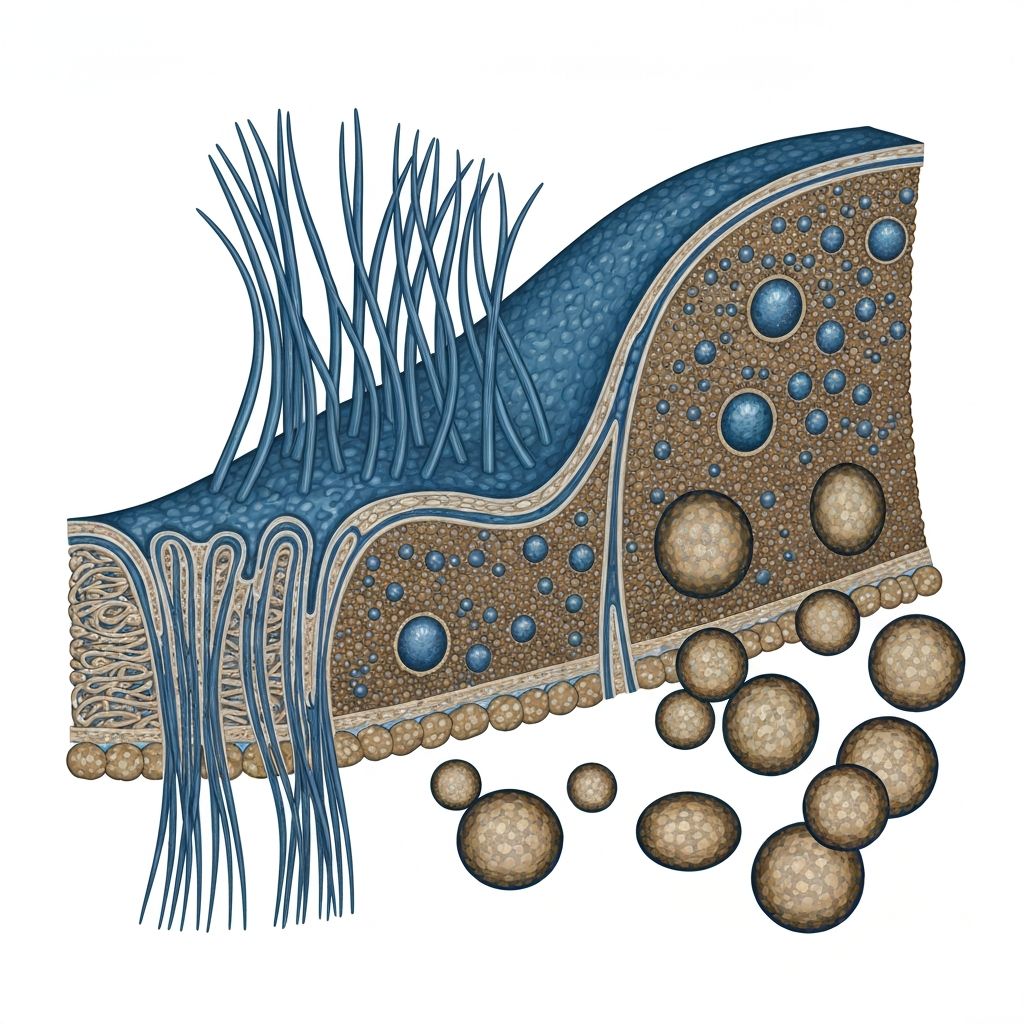
Energy Partitioning Concepts
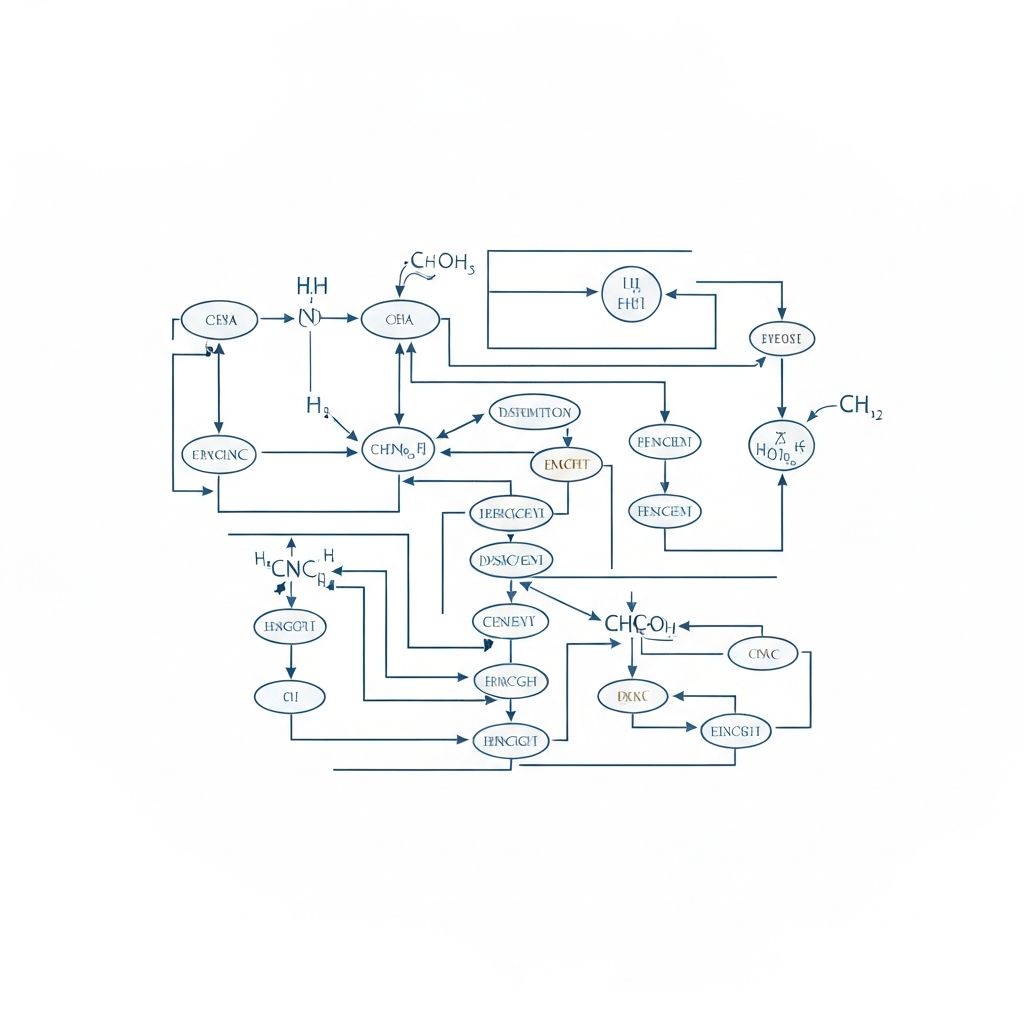
Energy partitioning describes how the body distributes ingested nutrients and stored energy across different metabolic pathways. This concept is central to understanding body composition regulation at the physiological level.
The fate of dietary energy depends on multiple factors including macronutrient composition, metabolic state, hormonal signaling, and tissue sensitivity to regulatory signals. Research demonstrates observable patterns in how these factors interact across populations.
View ExplanationHormonal Regulation Overview
Multiple hormonal systems regulate body composition through effects on energy storage, tissue synthesis, and metabolic rate. These include insulin, glucagon, cortisol, thyroid hormones, and numerous peptide signals.
Insulin
Nutrient Storage Signal
Regulates glucose uptake and lipid synthesis in response to feeding. Critical for directing energy toward storage tissues.
Cortisol
Energy Mobilization
Promotes protein breakdown and glucose production during periods of energy deficit or stress. Influences tissue turnover.
Thyroid
Metabolic Rate Control
Regulates overall metabolic rate and energy expenditure. Influences how efficiently tissues process nutrients.
Macronutrient Metabolic Pathways
Protein Metabolism
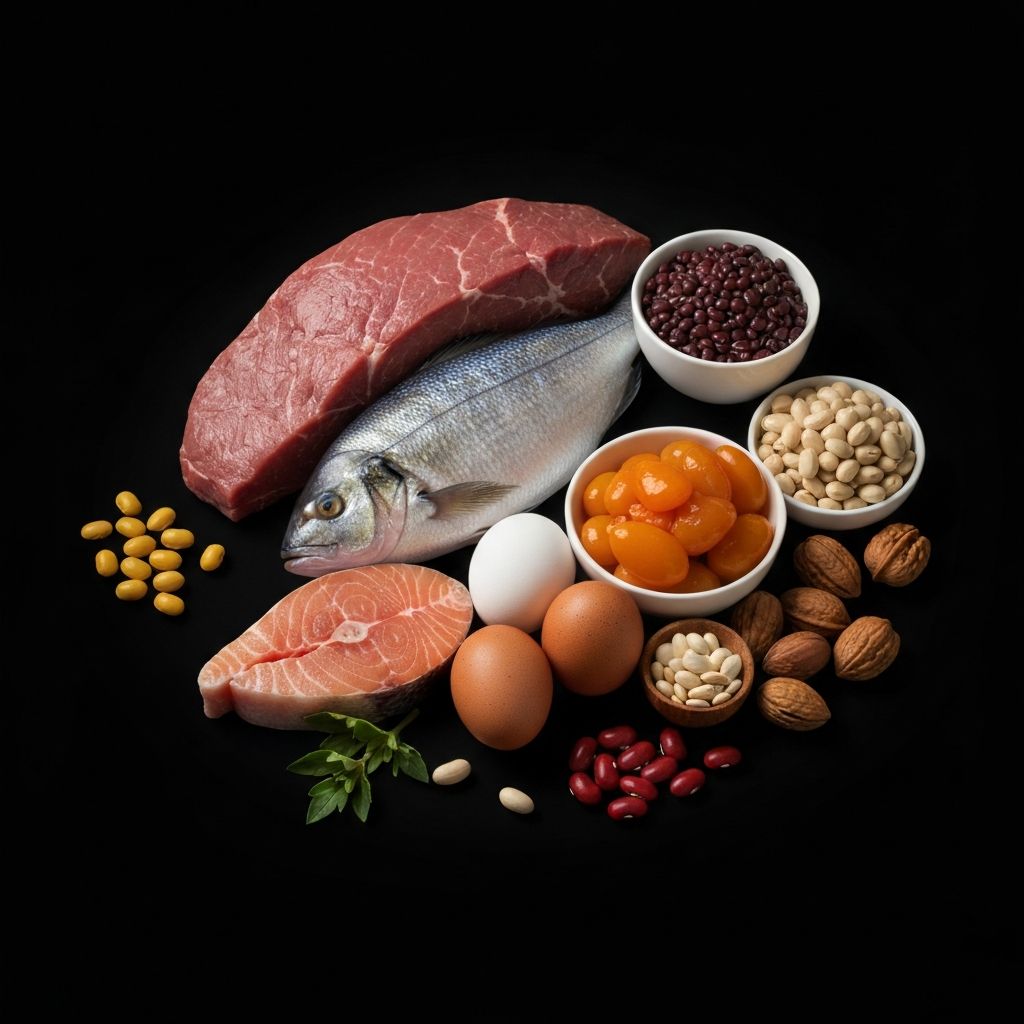
Amino acids undergo oxidation, transamination, and synthesis into new proteins. Protein turnover is continuous, with rates influenced by nutritional status and activity patterns.
Read MoreCarbohydrate Processing
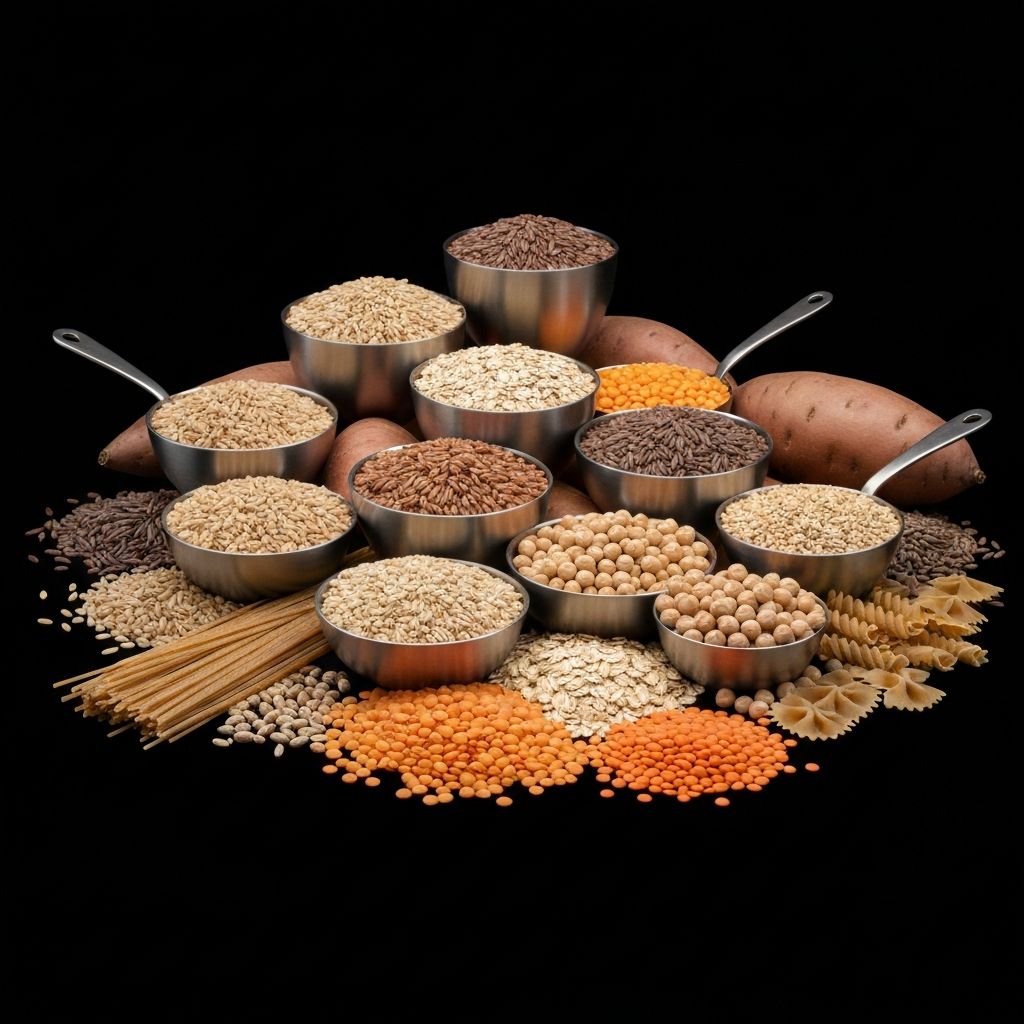
Glucose enters glycolytic pathways for energy or storage as glycogen. Excess carbohydrate can be converted to fatty acids, demonstrating metabolic flexibility.
Read MoreLipid Handling
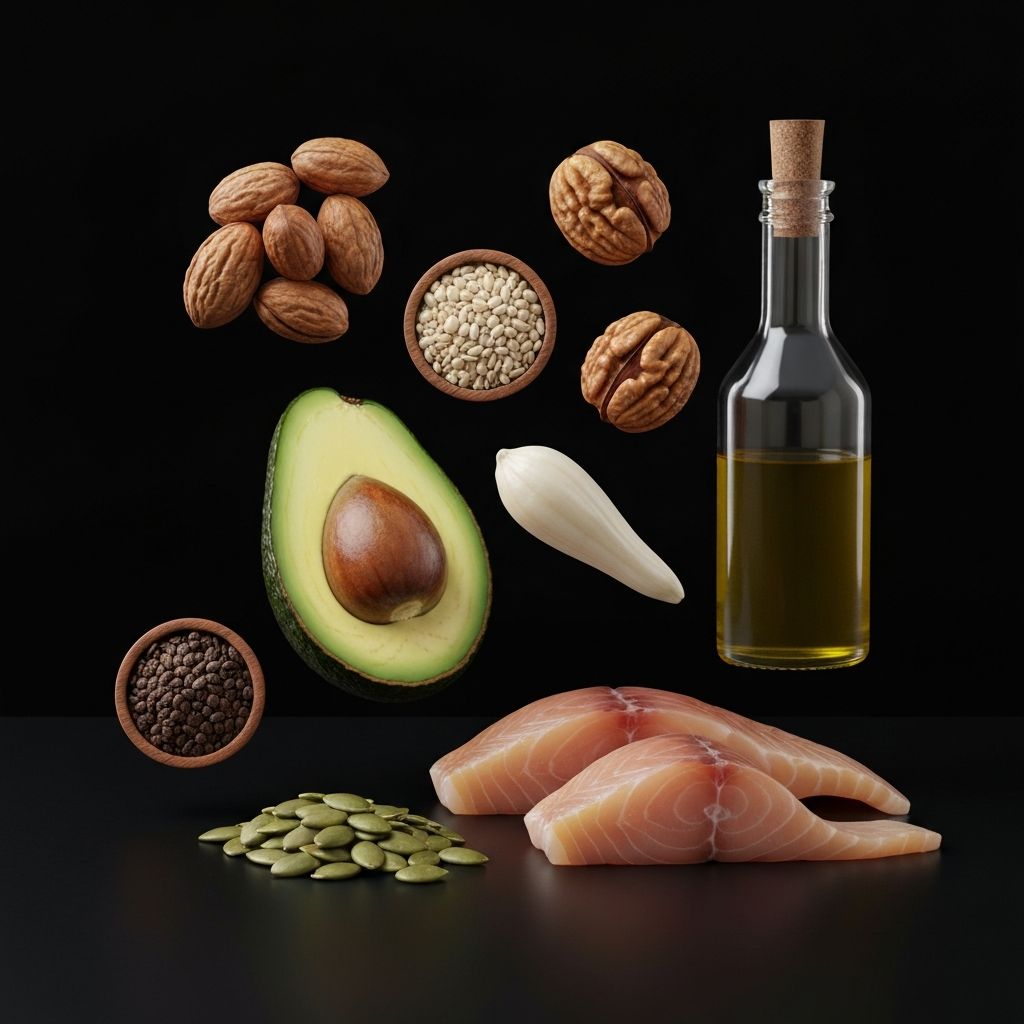
Dietary fats are absorbed and transported, with fates including immediate oxidation, storage as triglycerides, or structural incorporation. Turnover rates vary by tissue.
Read MoreGenetic & Environmental Factors
Population-level research demonstrates substantial variability in body composition responses to identical nutritional and activity interventions. This variability reflects both genetic and environmental influences.
Genetic factors contribute to differences in metabolic efficiency, tissue distribution patterns, and hormonal sensitivity. Environmental factors include dietary composition, activity levels, sleep patterns, stress exposure, and long-term lifestyle patterns.
The interaction between these factors is complex, with evidence suggesting that individual biology creates diverse trajectories even under similar external conditions.
See Related Science
Tissue Adaptation Mechanisms
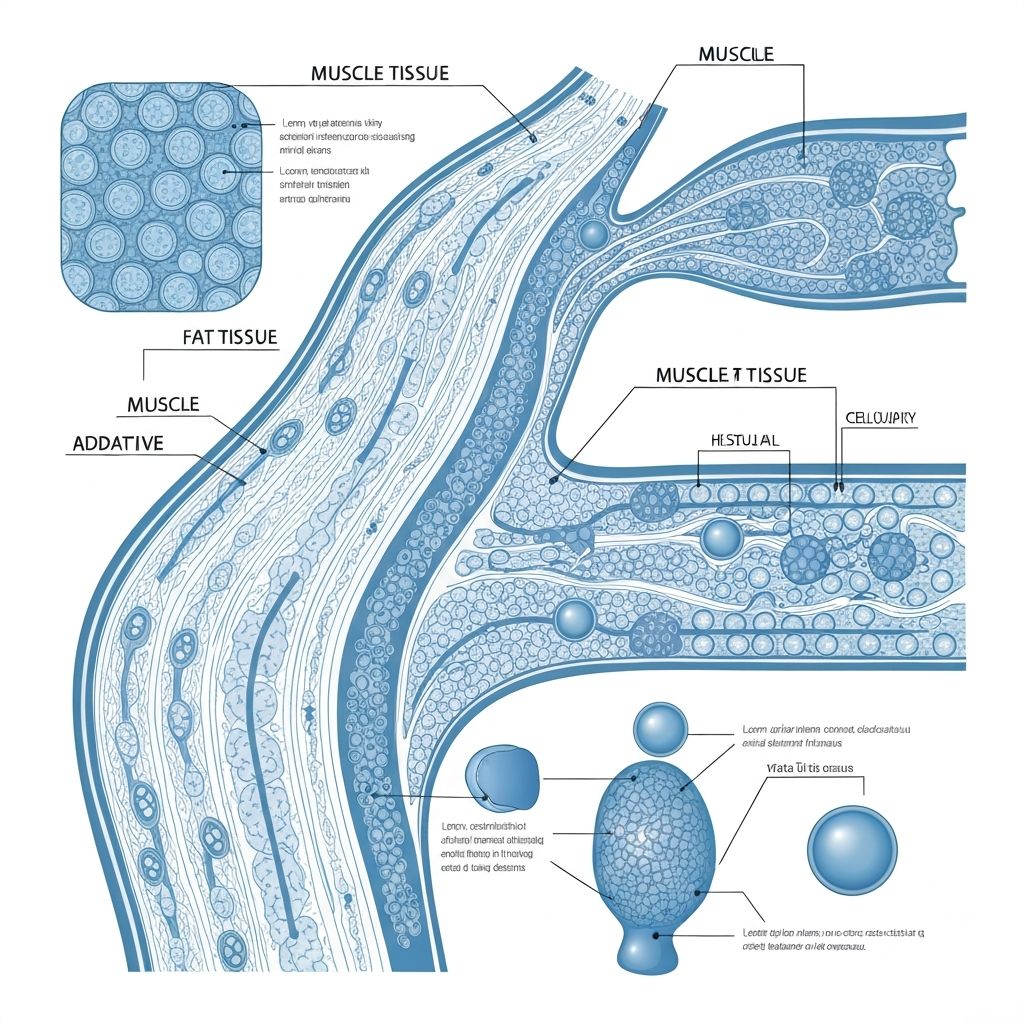
Tissues undergo adaptive changes in response to sustained nutritional states. Muscle tissue responds to mechanical tension and nutrient availability through changes in protein synthesis rates.
Adipose tissue exhibits plasticity in cell size and number depending on energy balance state. Over longer periods, tissues show evidence of metabolic adaptation through changes in enzyme activity, mitochondrial density, and cellular signaling.
These adaptations occur gradually and reflect the body's capacity to regulate composition across changing environmental conditions.
Discover MoreFeatured Science Articles
Energy Balance Mechanisms
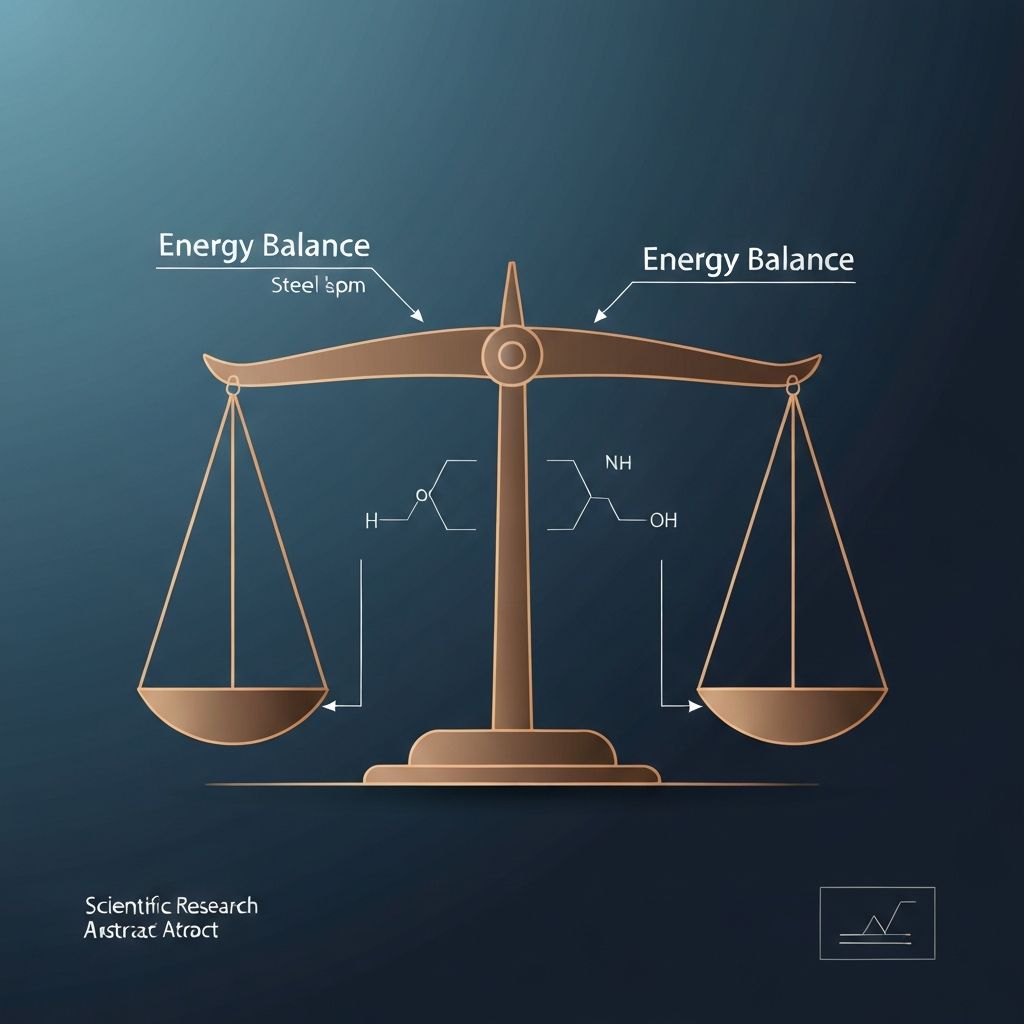
Fundamental explanation of how energy intake and expenditure influence body composition at the physiological level.
Read Article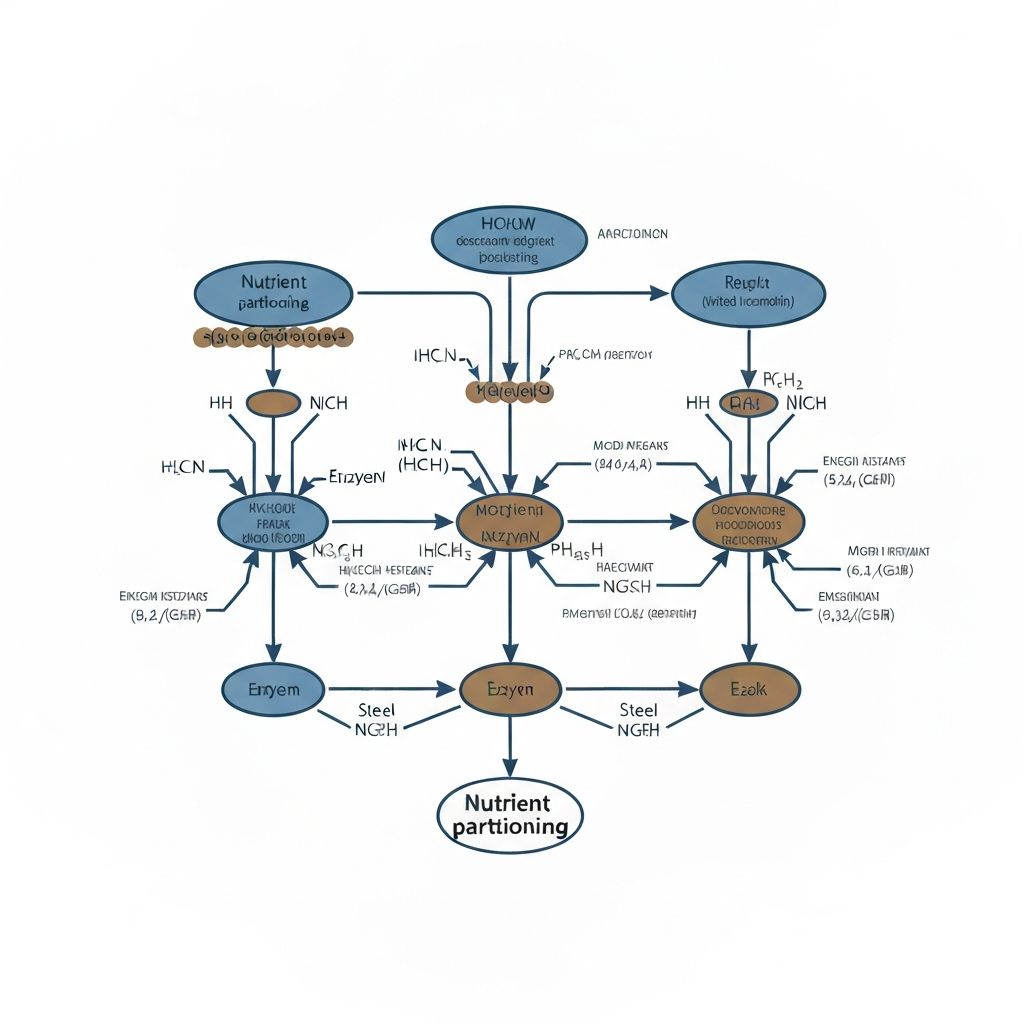
Nutrient Partitioning
Neutral overview of how dietary nutrients are distributed across oxidation, storage, and synthesis pathways in metabolic research.
Read Article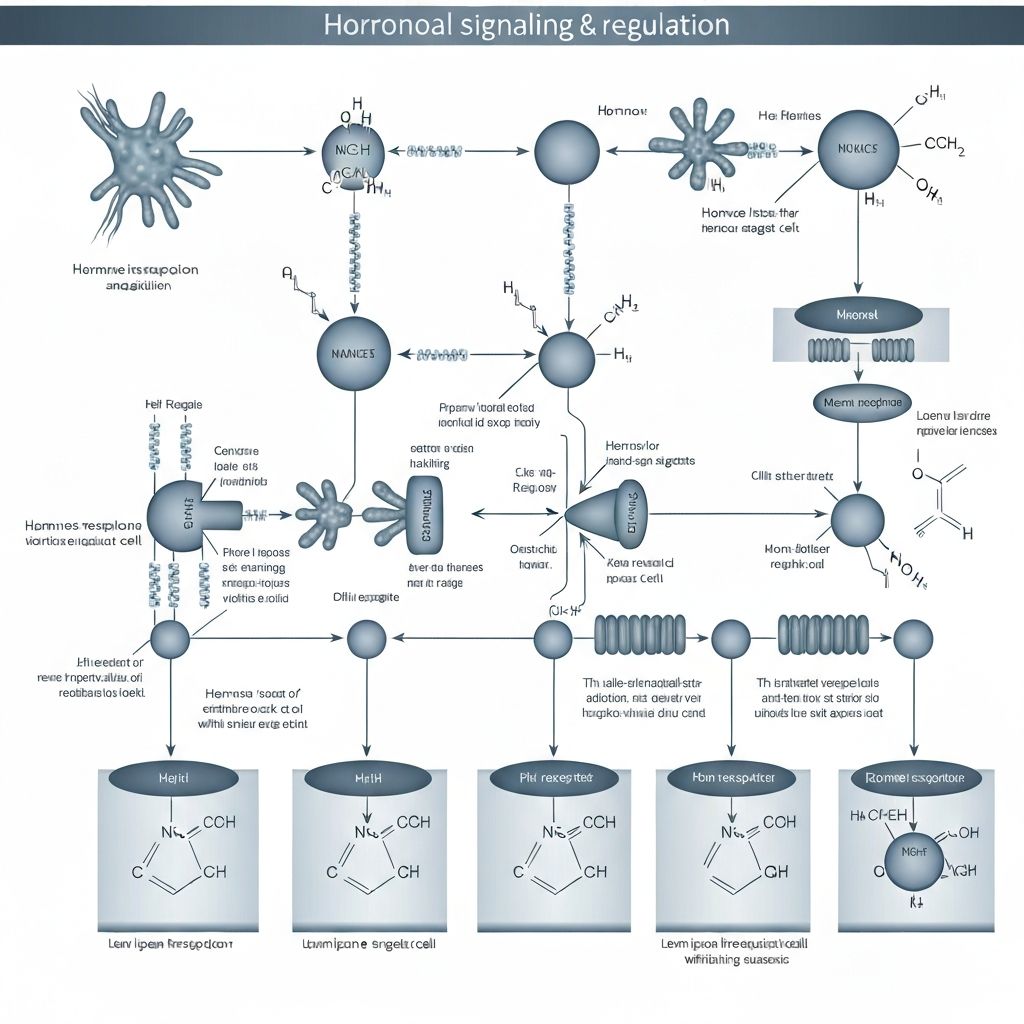
Hormonal Influences
Overview of regulatory hormones and their effects on tissue composition without individual modeling or outcomes.
Read Article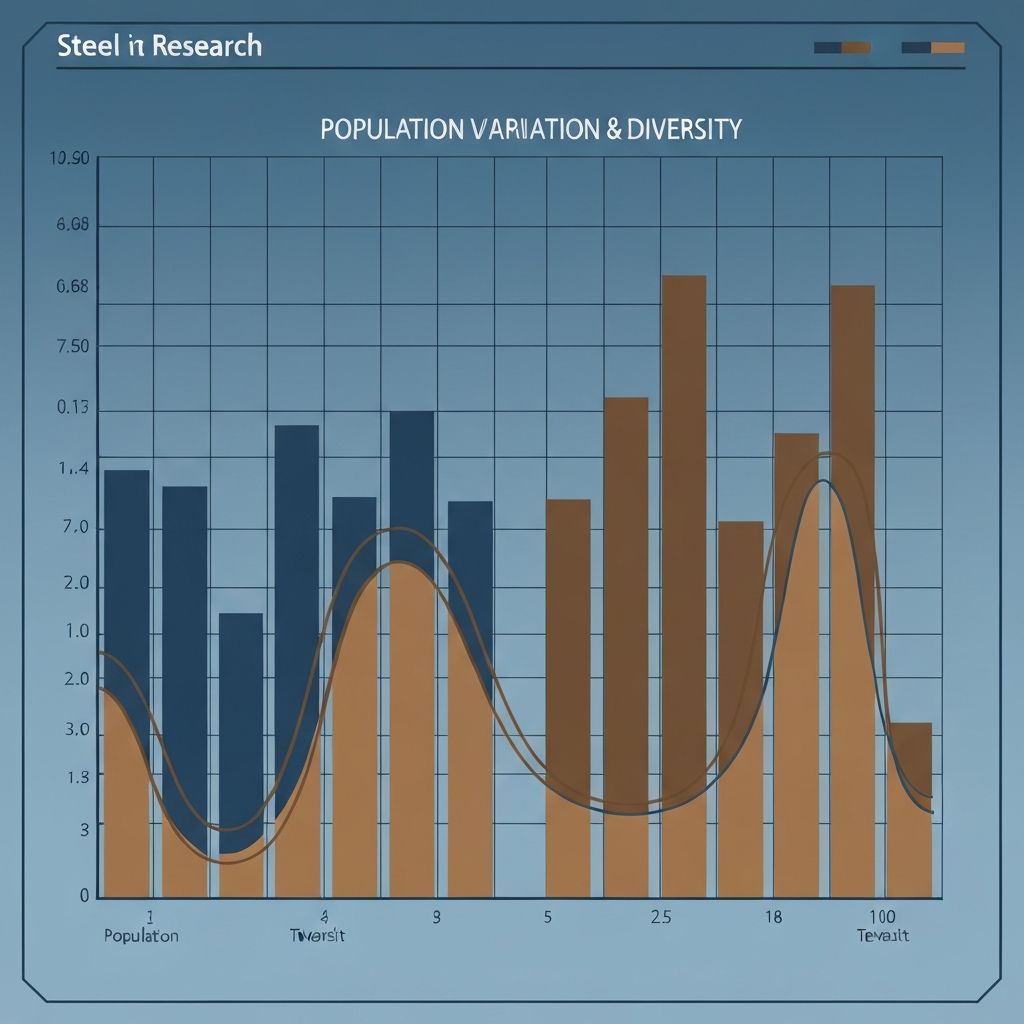
Population Variability
General observations from research on factors contributing to body composition differences across populations.
Read Article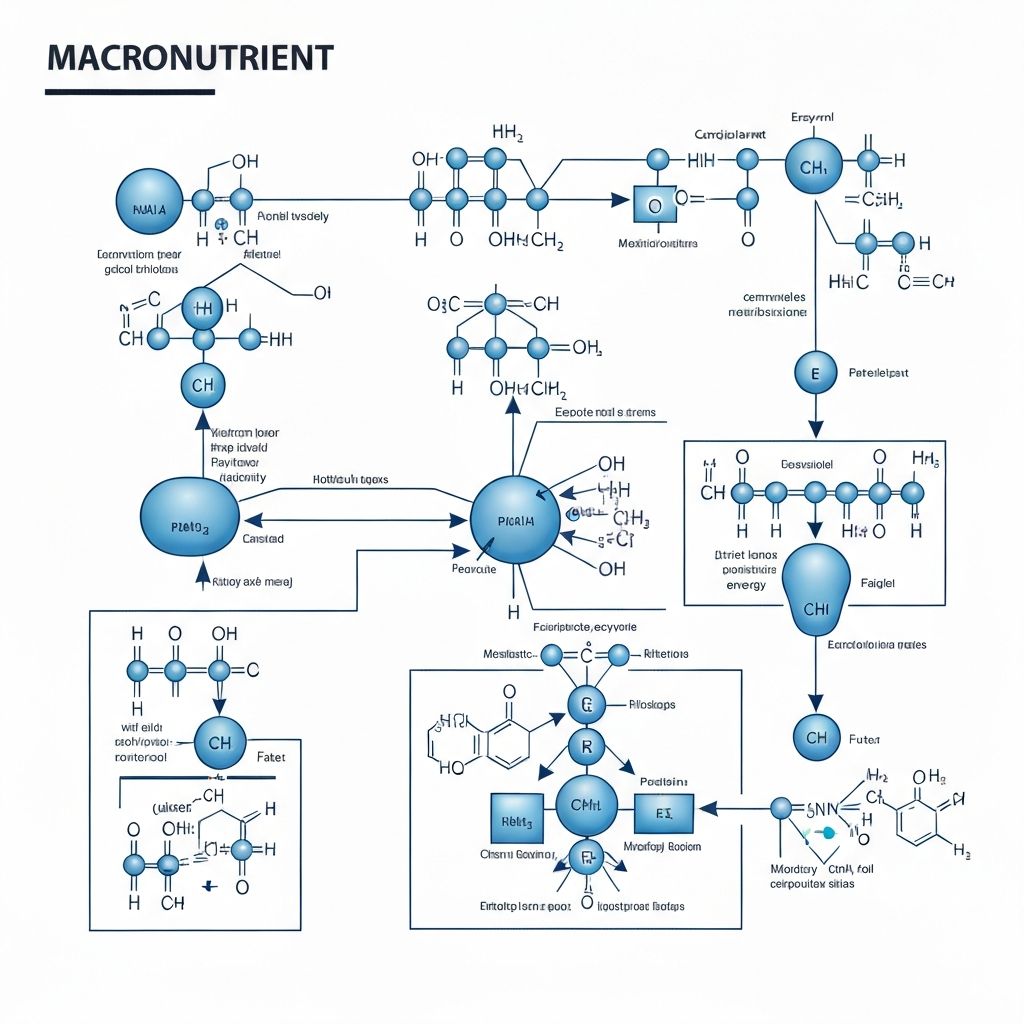
Macronutrient Pathways
Detailed technical explanation of metabolic fates of protein, carbohydrate, and fat processing in research contexts.
Read Article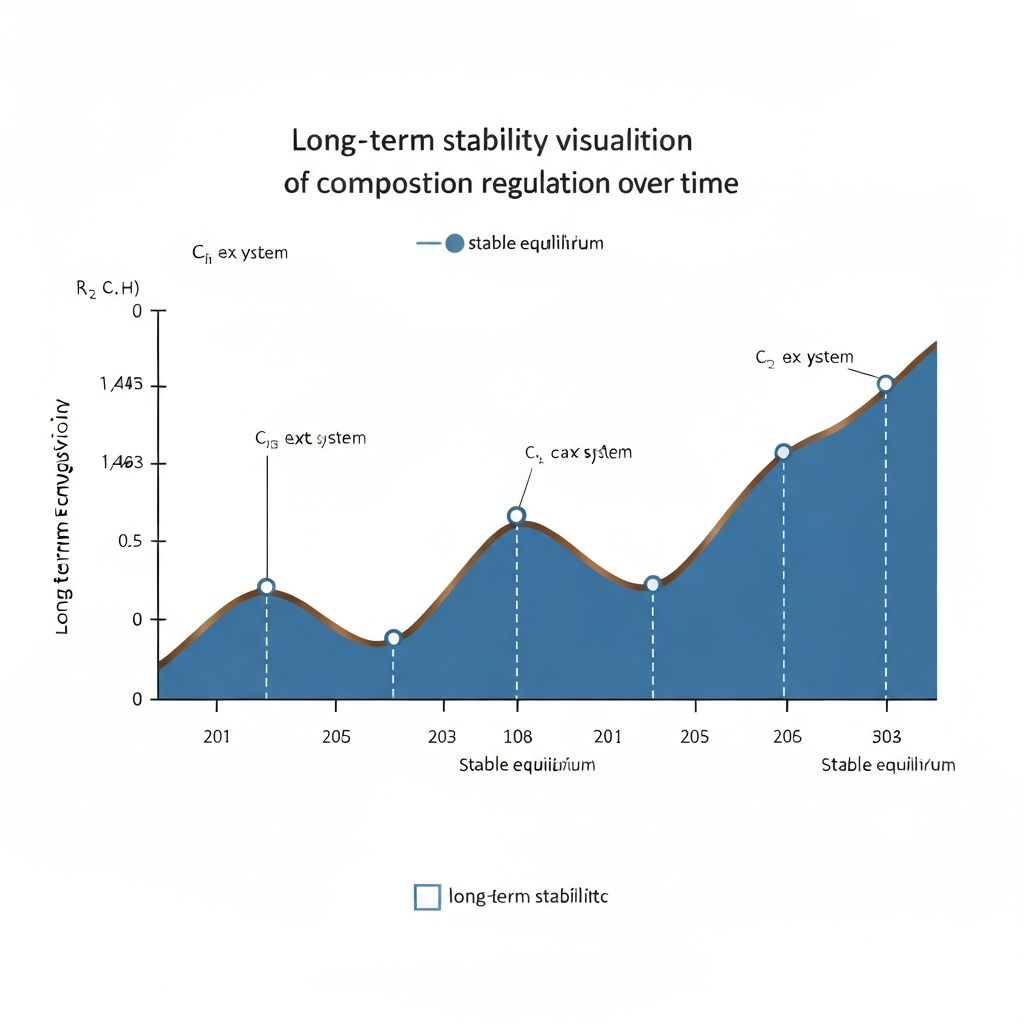
Long-Term Stability
Scientific context on composition regulation and stability over extended periods from observational research.
Read ArticleFrequently Asked Questions
Body composition refers to the proportions of different tissue types in the body, primarily lean mass (muscle, bone, organs) and adipose tissue (fat). Understanding these components provides context for how the body responds to nutrition and activity.
Nutrients influence body composition through effects on energy balance, protein synthesis, and hormonal signaling. The distribution of dietary energy across oxidation, storage, and synthesis depends on metabolic state, macronutrient composition, and tissue sensitivity to regulatory signals.
Genetic factors influence metabolic efficiency, tissue distribution patterns, and hormonal sensitivity. Research shows substantial individual variability in compositional responses to identical conditions, reflecting both genetic and environmental contributions.
Multiple hormones regulate body composition through effects on nutrient storage, tissue synthesis, and energy expenditure. Key regulatory hormones include insulin (storage signaling), cortisol (energy mobilization), thyroid hormones (metabolic rate), and various peptide signals.
Energy partitioning describes how the body distributes ingested or stored energy across metabolic pathways: immediate oxidation for energy, storage as glycogen or fat, or synthesis of new tissue. The fate of energy depends on metabolic state and nutrient availability.
Tissues undergo adaptive changes through alterations in protein synthesis rates, enzyme activity, mitochondrial density, and cellular signaling. These adaptations reflect the body's capacity to regulate composition in response to sustained changes in nutritional state.
Explore the Science Further
Discover detailed explanations of body composition mechanisms, nutritional science, and related research findings.
View All Articles